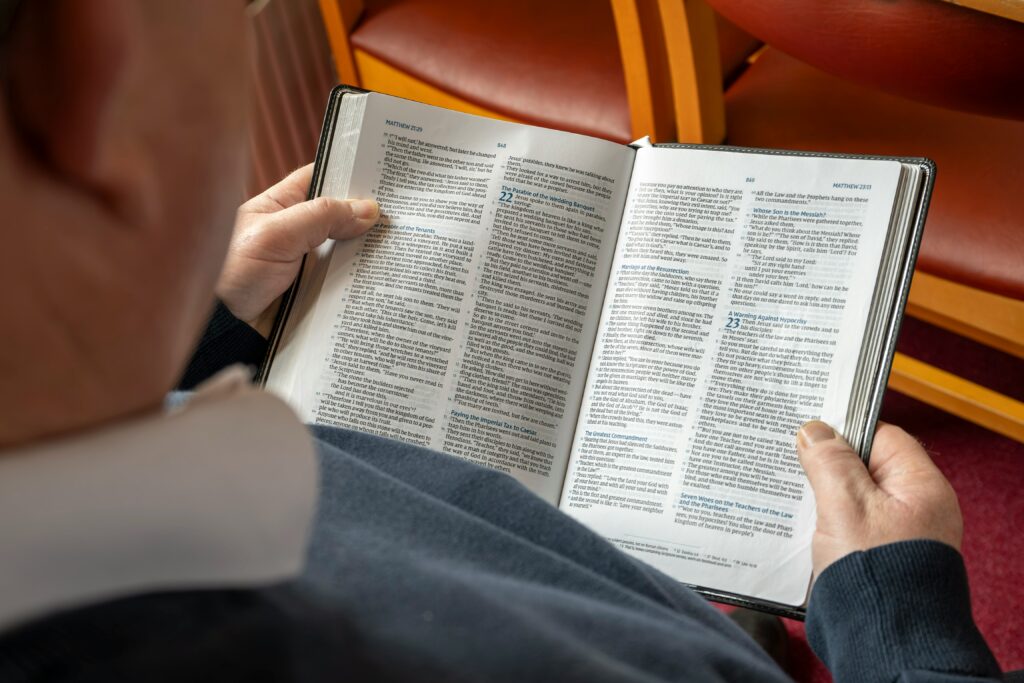
Spiritual vs religious is a question many people struggle to understand.
Some follow rituals, while others seek a deeper personal connection—but without clarity, confusion grows between the two.
Spiritual vs Religious — Key Differences
The difference is not about choosing one over the other, but understanding how each functions.
Religion provides structure, traditions, and external practices. It creates a framework for belief and behavior.
Spirituality focuses on inner transformation, personal connection, and relationship with God.
However, structure alone can become routine if it is not supported by real transformation.
Spirituality without structure can become unstable or self-defined without truth.
Biblically, both are meant to align—external practice and internal transformation working together.
This is why the question of spiritual vs religious is often misunderstood. The issue is not which one is better, but whether both are aligned with truth.
Is being religious the same as being spiritual, or are they different?
Some follow traditions but feel empty. Others reject religion but still search for meaning.
So what’s the real difference—and what does the Bible actually say?
This confusion is similar to why people feel lost in life, where lack of clarity leads to uncertainty.
What Does “Religious” Mean?
Being religious means following systems, rituals, and traditions.
It focuses on external actions:
- Going to church
- Following rules
- Practicing structured habits
Religion provides discipline and direction. But when it stays external, it can become routine without real change.
What Does “Spiritual” Mean?
Being spiritual focuses on inner experience, meaning, and personal connection.
It often includes:
- Reflection
- Emotions
- Personal beliefs
Spirituality feels freeing. But without structure or truth, it can become unclear and unstable.
Understanding belief systems and behavior is widely studied, as explained by the American Psychological Association.
The Real Problem
The issue is not religious vs spiritual.
The real problem is:
People follow systems without transformation, or chase feelings without truth.
- Religion without change becomes empty
- Spirituality without truth becomes directionless
Both fail when they stay at the surface.
Biblical Perspective
The Bible does not promote empty religion or undefined spirituality.
It exposes both.
The Pharisees were deeply religious—strict, disciplined, and outwardly correct.
But they lacked inner transformation.
That’s why Jesus Christ challenged them.
He showed that external obedience without a changed heart is meaningless.
At the same time, Scripture warns against following feelings without truth.
Without a foundation, spiritual experiences become unstable.
Psychological Insight
This confusion around spiritual vs religious thinking often leads people into imbalance or misunderstanding.
People are drawn to religion because it gives:
- Structure
- Control
- Stability
People are drawn to spirituality because it offers:
- Freedom
- Identity
- Emotional connection
But both paths fail if there is no real transformation.
Structure alone cannot change you
Feelings alone cannot guide you
The Real Answer
The Bible points to something deeper:
Transformation of the heart + alignment with truth
Not just:
- Rituals
- Feelings
- Labels
But real internal change.
Practical Reflection
Ask yourself:
- Are you following habits without change?
- Are you chasing feelings without direction?
- Are you avoiding truth or structure?
These questions reveal where you actually stand.
Common Confusion Between Spiritual and Religious
Confusion often comes from separating what was meant to work together.
Some reject religion because they have only experienced empty rituals.
Others reject spirituality because they see it as vague or disconnected from truth.
When structure loses meaning, it becomes routine.
Without a strong foundation, spirituality becomes unstable.
The real issue is not choosing one over the other, but understanding their purpose.
True faith requires both—structure that guides and a heart that is transformed.
It is also connected to emptiness when there is no real transformation, as explained in why people feel empty.
Conclusion
The difference between religious and spiritual is not the final answer.
The real question is:
Are you being transformed—or just identifying with a label?
That is why the question of spiritual vs religious is not about choosing sides, but understanding truth.
Prayer
Dear God, give me clarity to understand truth and not be confused between what is spiritual and what is merely external.
Help me follow you with both a transformed heart and a grounded foundation.
Guide me to live in truth, not just appearance.
“God, grant me the serenity to accept the things I cannot change, courage to change the things I can, and wisdom to know the difference.”
In Jesus name, Amen.